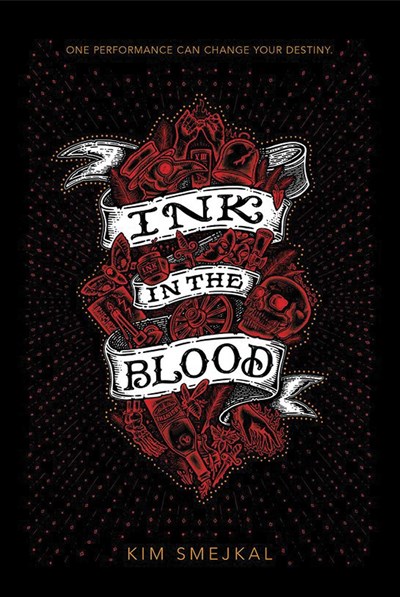
Ink In The Blood by Kim Smejkal

If you ever need transporting to a different world and a different story, Ink In The Blood by Kim Smejkal is the book to do it. This book devoured me from start to finish, fully enveloping me with its whimsical details, strong story line and lovable characters. I couldn’t read fast enough, longing to get to the end but dreading it as well.

Set place in a world in which magical ink exists to channel the Divine’s will, there is only one truth; obey the ink. But what if that truth is based on lies? What if the ink isn’t a force for good and wisdom, but for pain and suffering? Two inklings, Celia and Anya, having experienced the hate the ink is built on, do something that has never been done before: escape. They join the Rabble Mob, a collection of circus like performers that enchant and mystify their audiences, but when one of the members starts acting strange, Celia realizes the Divine has followed them. There lies the greatest truth of all; you can’t escape the ink. Left with no choice, Celia and Anya draft a plot that will destroy the ink forever, but while in process, may destroy them as well.

Ink In The Blood is everything a fantasy novel should be. Kim includes enough explanation of the world and how things work to keep us grounded, while adding elements such as the Rabble Mob to keep an air of mystery and curiosity. Throughout this book I constantly felt wonder, which to me, is one of the most important emotions for a fantasy novel to evoke.

Ink In The Blood is for anybody who wants to be whisked away to another reality full of devils, angels, plague doctors, fire dancers, mimes, inklings, and magic. For anyone who wants to experience adventure and emotion so deep you’d think you were part of the story.

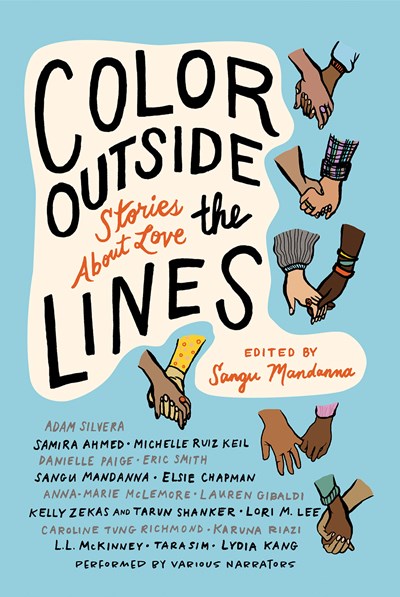
Color Outside the Lines Edited by Samira Ahmed

Color Outside the Lines is an anthology about interracial relationships across time and genres.It’s about the ways in which these relationships are both different and the same as the ones that aren’t interracial; it not only talks about love, culture, and prejudice but also about family, friendships, communication, expectations, and legacies, from different points of view.This book elaborates on one point: love has no boundaries! It’s not caged within walls with certain rules and regulations, but creates a pathway for the union of two souls, regardless of the so-called societal beliefs which the authors did a wonderful job in exploring and conveying many of these factors in their stories. Although I could review each story, it wouldn’t do justice to the book, because collectively this
book voices a stronger message and is easier to understand and refer to, when reading each author’s take on the shared topic. There’s a story for everybody within these pages, a story you will connect to in some way or the other – whether it’s about not being aware of the monumental differences between cultures, the way one kind-hearted person can change your life, or the female/female Hades/Persephone reimagination you’ve always wanted – while also enlightening and making one aware of other’s feelings and thoughts. The authors have created a kaleidoscope of voices that illuminate how much we need more diverse literature and just how important these voices are. A very interesting and encouraging book that I would recommend to readers of all ages.

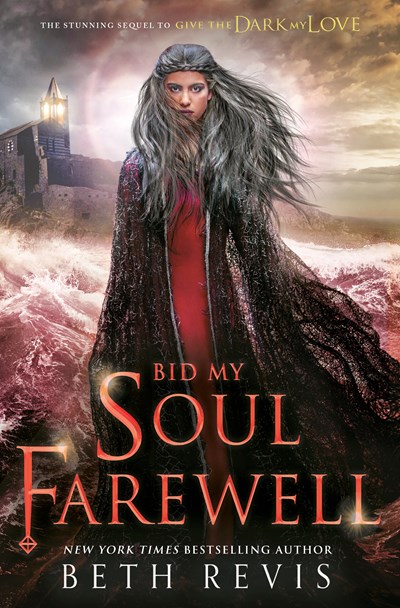
Bid my Soul Farewell by Beth Revis

“Was that all it took to make a monster? A label and the accusations of others?”
The stunning finale of the epic fantasy duology from author Beth Revis. Alchemy student turned
necromancer Nedra Brysstain has made a life-changing decision to embrace the darkness–but
can the boy who loves her bring her back to the light before she pays the ultimate price?
The plague has been eradicated from Lunar island, and the people are on the path of healing
themselves and all that’s been savaged. But the girl who saved them has been labeled a monster.
A monster that should be hanged for her evil use of necromancy. Greggori “Grey” Astor is in a dilemma – hate Nedra, the girl he loves, for what she’s done, or
risk everything he’s ever known to protect her – all this while figuring out his new role at thecourt. Determined to help Emperor Auguste, the young and charming leader of the AllyrianEmpire in his plan to rebuild Lunar island. But the emperor has another plan: rid the island of necromancy once and for all. Though Grey wants what’s best for his people, he knows that allying with the king threatens the one he loves most: Nedra.
Resides at the quarantine hospital along with her army of revenants, Nedra wants nothing more than to keep her sister, Nessie, by her side. But when her revenants start to become increasinglyinhuman (like her sister), Nedra filled with guilt vows to find a way to free the dead and resurrecting her sister from her state.
But the people want someone to blame, and Grey can only protect Nedra for so long. When a battle with an even more terrifying adversary pushes Nedra to the darkest depths of her powers,she and Grey will be forced to decide how much they are willing to sacrifice to save their homeand the people they love the most.

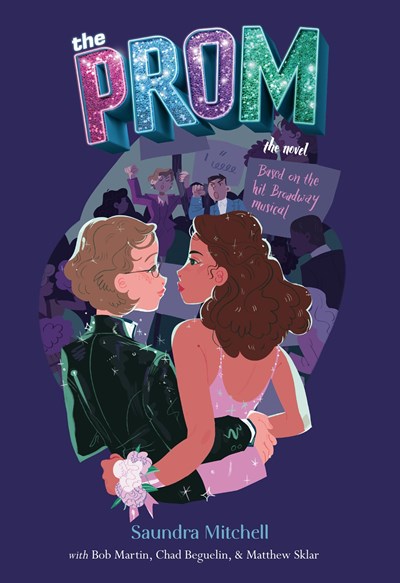
The Prom by Sandra Mitchell

The Prom by Sandra Mitchell (with Bob Martin, Chad Beguelin, and Matthew Sklar) is a heartwarming novel based off on the hit Broadway musical. It tells the story of high school students Emma Nolan and Alyssa Greene, the only lesbian couple in the small town of Edgewater, Indiana. Emma is known to the community as “the gay one.” She is constantly teased, mocked, and stared at by her classmates. She has an online following where she posts her covers of songs. She accidentally-on-purpose hinted at being lesbian on her channel. Her parents found out and kicked her out of the house, so she went to live with her grandma. Alyssa, on the other hand, is the most popular girl at school, head of the student council, and hasn’t yet come out as bisexual to the public. She knows that her mother would flip if she knew of Alyssa’s secret, and doesn’t want to wreck her mother’s fragile mental state or end up like Emma. To everyone else, Emma and Alyssa are best friends. It’s now Emma and Alyssa’s final year of high school, and prom is right around the corner. Emma is holding on to the dream of dancing with Alyssa, but the PTA forbids it. To make it even worse, the head of the PTA and the biggest supporter of an exclusively heterosexual prom is Alyssa’s mother. All Emma wants is to go to prom, so some overly enthusiastic failed Broadway producers enter the scene.  Will Emma and Alyssa get their first dance?

This story was a wonderful modern teenage romance. This book would likely be relatable to many teens growing up in the 21st century. Although the addition of the Broadway publicists didn’t do much to improve the plot, I think Mitchell did an excellent job of making this story relevant and engaging to young adults.

Overall, this book was uplifting and showed the many trials and triumphs of being a young LGBT+  citizen today. I would recommend this book to anyone looking for realistic fiction, romance, and LGBT+ characters.  I would also recommend this to any musical/theater lovers – the musical is great to listen to before, after, or while reading the book! – Sophie Cornish

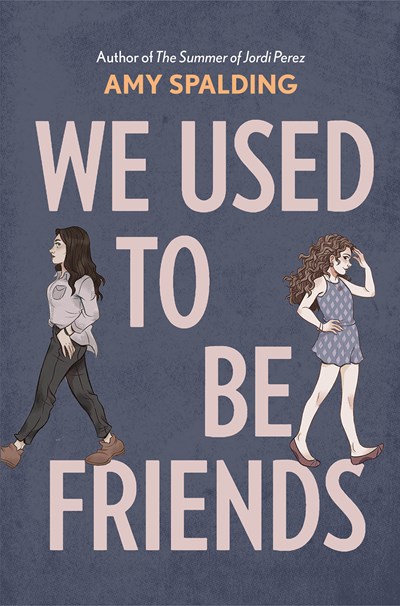
We Used to Be Friends by Amy Spalding

We Used to Be Friends” by Amy Spalding is a capturing story that tells of one of the best types of companionship – the kind between best friends. Kat and James have been best friends since kindergarten. They’re now in their senior year of high school and have gone through many ups and downs together. Some aspects of their lives are looking great. Kat has a girlfriend named Quinn and is applying to her dream colleges. James is running track and field and is happy living with her father. But there is some conflict. Kat’s mother passed away a few years previously, and her father has started dating again. James is tired of being known as “Kat’s friend,” and her parents have also recently divorced. She also broke up with her long-time boyfriend and is confused about college. Kat tries desperately to force a friendship between Quinn and James with no luck. Will their differences end their friendship together? Told in both perspectives throughout different points of senior year, “We Used to Be Friends” shows what is needed for a friendly pair to survive.

I enjoyed watching Kat and James’ friendship change, though sometimes I got a little bored and unengaged. It also got very confusing at times because of the different perspectives and different times of senior year that it jumped to at every chapter. Despite these slight faults, I otherwise thoroughly enjoyed the novel.

I definitely would recommend this book to anyone looking for realistic fiction or friendship stories. People who are fans of dual-perspective novels are in for a treat. Have fun!

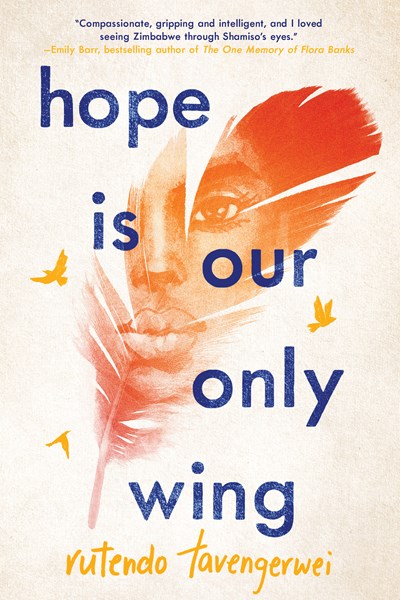
Hope is Our Only Wing by Rutendo Tavengerwei

Hope is Our Only Wing by Rutendo Tavengerwei is a capturing book set in Zimbabwe. Shamiso’s father, a journalist, recently died while their family was living in England. Shamiso’s world is turned upside down.
She moves with her mother to Zimbabwe, a foreign country with new customs and culture. As well as dealing with her grief, her mother is now struggling to make ends meet. Feeling like nothing good could ever become of her life, she meets Tanyaradzwa at her new school. Tanyaradza is a cancer patient in remission. Shamiso is unsure of Tanyaradzwa at first, but she soon finds mutual trust in Tanyaradzwa, something none of her classmates had to offer. Shamiso and Tanyaradzwa’s battles with death give way to an unexpected friendship as they help each other deal with life’s challenges.

I was completely sucked into this novel. Rutendo Tavengerwei has an amazing descriptive voice. It seemed as though I was there, in Shamiso’s world, experiencing her daily life. I was amazed at the way she crafted the story, though I did think the plot moved a little fast. It was hard to keep up with each new event. Despite this, the storyline was strong and the book was thoroughly enjoyable.

I would recommend this book to anyone who likes realistic fiction. It was also interesting to learn about life in Zimbabwe, so anyone interested in that subject could get an insightful taste, along with a great story. Hope is Our Only Wing is truly one to remember.

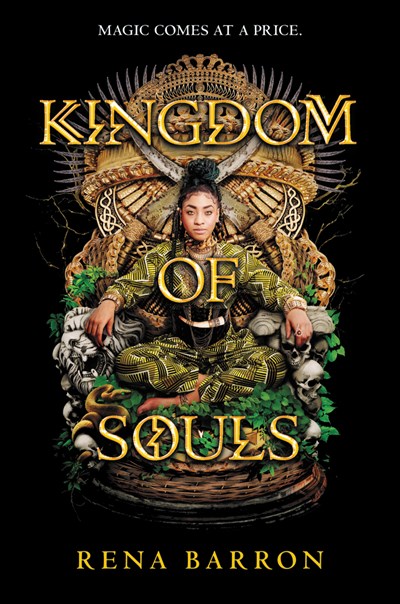
Kingdom of Souls by Rena Barron

Arrah should be one of the most powerful witch doctors in both the tribal lands and the capital city of Tamar, born to the heir to the great, magical Aatiri clan and the High Priestess of the kingdom. Instead, she was born without the ability to control any magic. To make matters worse, she can see it– twisting and sparkling, but always just outside of her grasp. Arrah desperately wishes for powers, if only to ease the disappointment of her mother, who is almost always emotionless and severely critical. Arrah’s only chance to control magic is to trade years of her life, which would make her old before her time, a visible marker of the hated charlatans. When children from her village start disappearing without a trace, however, she may be forced to use the dangerous magic, especially once she suspects the work of the terrifying and murderous Demon King. Arrah uses everything she has to fight against the actions of the Demon King and his cohorts, putting herself in danger with desperate attempts to stop the destruction and save her father, her friends, and her kingdom. 

This book, Kingdom of Souls by Rena Barron, epitomizes the perfect balance between a fantastical setting, action based plot, and lovable characters. Rooted in the cultural beliefs of her West African ancestors, Barron’s world of witchdoctors and Orishas (magical deities) is vividly displayed through sensory descriptions of the setting, be it the smell of roasting peanuts in the marketplace or the grandiose sight of the temples in the city. In reading this book, I really enjoyed the setting and the creativity of the story, but felt like the plot became a bit too convoluted and confusing towards the end. It was difficult to follow, partially because of the number of plot twists and some of the incomplete explanations of many of the major events, including the deaths and subsequent reincarnations of many characters. Still, I enjoyed reading the book, and would recommend it to anyone who like creative fantasy settings, strong female characters, or the writing of Tomi Adeyemi (who wrote Children of Blood and Bone). 

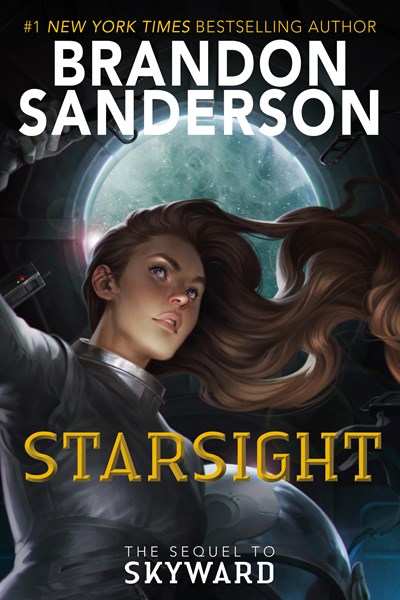
Starsight by Brandon Sanderson

Starsight by Brandon Sanderson is a book in which one can quite literally, get lost in the stars. It unlocks the mystery of the universe with improved technology, aliens galore, and…slugs. What better way to spend an evening than immersed in the chaos and action of a fighter pilot’s story?

Humans are confined on a solitary planet, constantly in battle with the Krell, their jail wardens. Spensa’s always dreamed of becoming a pilot, and now, with her own ship she’s finally making that dream come true. Fighting the Krell is all she’s ever known, but when an opportunity arises to go undercover and infiltrate the very center of the galaxy, she can’t pass it up. Along with her loyal ship, Spensa travels to Starsight, meeting other pilots and allies along the way. She discovers everything she thought she knew (technology, the Krell, humanity) may not be what it seems.

An action-packed plot with a strong female lead, and a talking robot sidekick makes for a book that anyone would want to read. Full of suspense and plot twists, Starsight is made for anyone willing to defy gravity and look beyond the stars, to the true secrets of the galaxy.

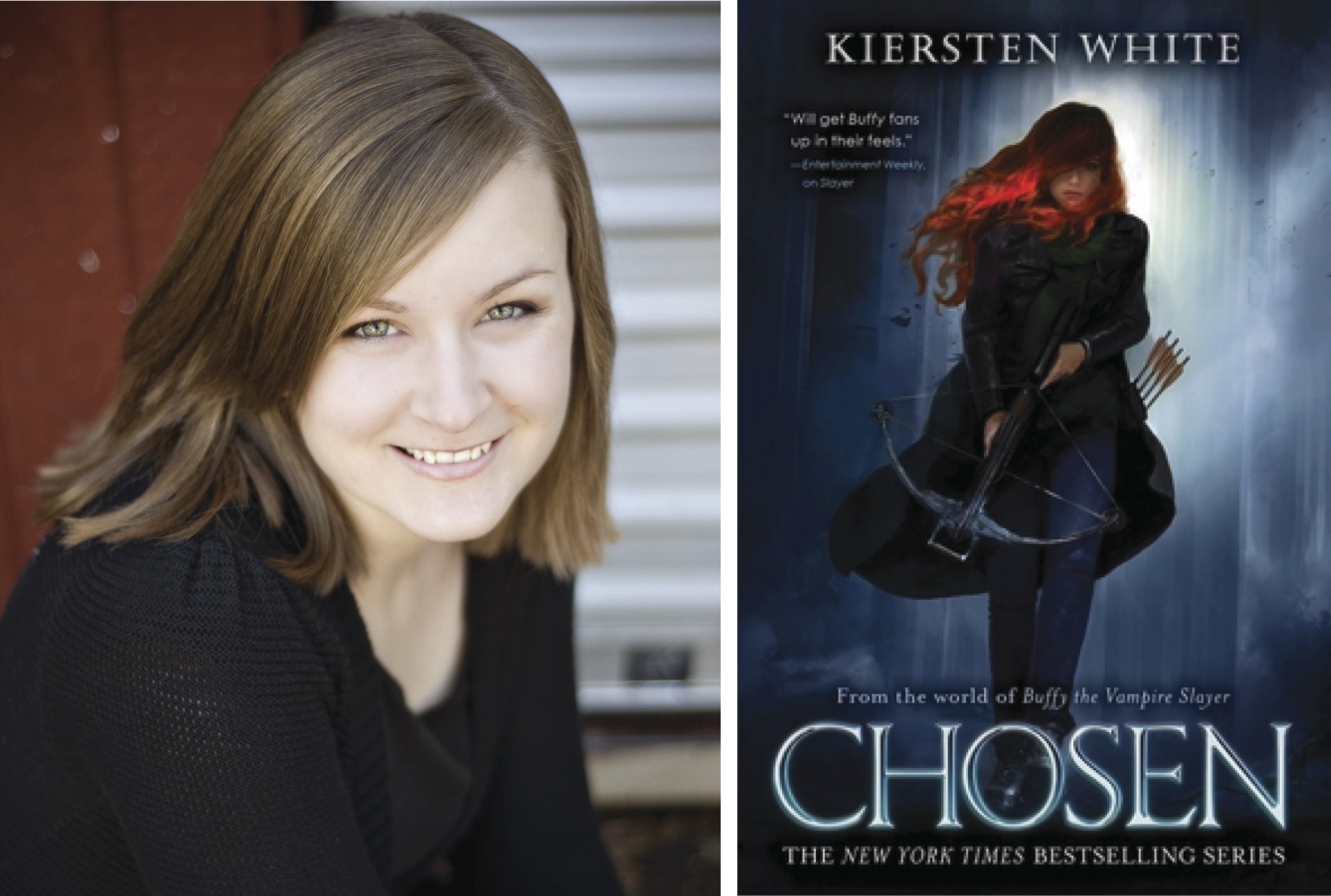
Interview with Kiersten White

Bookshop is so excited to announce that the amazing Kiersten White, author of some of our favorite tiles will be visiting Bookshop Santa Cruz on Friday, January 10th at 7pm.

In anticipation of her visit Kiersten kindly agreed to answer a few questions from Leala, a member of the Teen Book Crew.

Do you relate to any of your characters from Chosen? If so, which one(s)?

There comes a terrible moment in every person’s life when you realize you now relate to the parental figures more than anyone else. I feel a lot of compassion for Cillian’s mom, Esther. She thought she was doing her best to protect him, but she ended up hurting him. That’s one of my biggest fears as a parent—that I’ll be so focused on what I think my child needs, I won’t see what they actually need. Nina’s mother had a similar dynamic with her children. In her extreme efforts to keep Nina and Artemis safe, she ended up damaging her relationship with both of them.

That being said, I’m absolutely the Jade of any group. Can I sleep? Good. I will be sleeping.

What’s one of your favorite books that does not get the attention it deserves?

I really love the Lumatere Chronicles by Melina Marchetta. It’s a brilliant fantasy trilogy that is sharp and brutal and doesn’t shy away from really difficult questions, but does so in a deeply human way.

What was one of the reasons that you sent Nina down a darker path?

I really struggled to figure out what this book was about. And by that I don’t mean the plot, I mean the emotional core of the book. If the first book was about the nature of being Chosen—which inherently means you did not choose, it was chosen for you—I realized the second book should be about coping with trauma. Bad things happen and they change you. What do you do with that? In Nina’s case, I made the change literal, because a fantastic thing genre does is let you tell true stories, but with everything heightened.

So much of navigating being a teenager approaching adulthood is reconciling who you thought you were with who you are becoming and who you want to become. And to do that, sometimes we have to walk straight through our pain to learn who we are on the other side of it.

Was there an incentive for adding Artemis’s side into Chosen?

In Slayer, we had interstitial chapters from the point of view of someone who had spent years trying to kill one or both of the twins. Initially I was going to have that same format from the point of view of the big bad, but in this case, it didn’t have the emotional resonance I wanted. Artemis did. I loved exploring how she reacted to pain in contrast to how Nina did, and it was really fun giving readers information that Nina didn’t have. Delicious dramatic irony! Plus, I always love the push and pull of siblings. I have four siblings, and so much of who I was as a teenager was in relation to them.

Through your years of writing, who has given you the most valuable piece of writing advice, and what was it?

I honestly couldn’t tell you who—I’m at sixteen books and a decade in publishing!—but I think the best piece of advice for any writer is this: the only thing you can control is the writing. You can’t control when or how your books sell, or how readers receive them, or even your covers (I continue to luck out in that regard). So make sure you fiercely protect your creative space and nurture the things that made you fall in love with writing in the first place.

His Dark Materials Adaptations

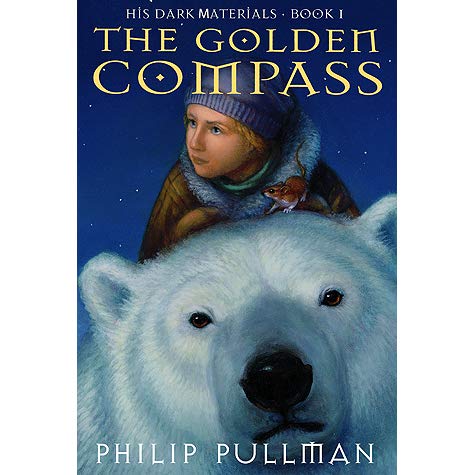
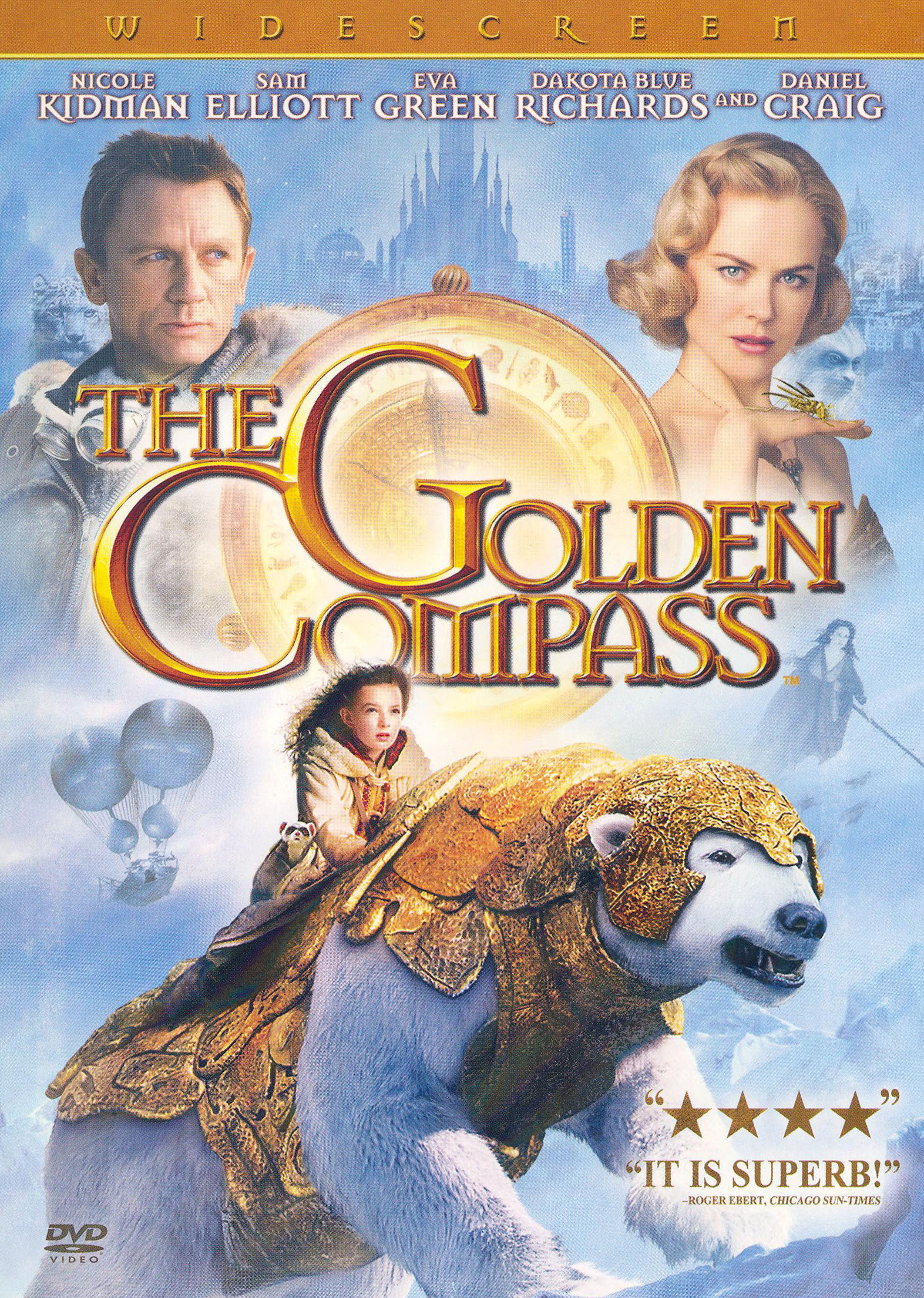
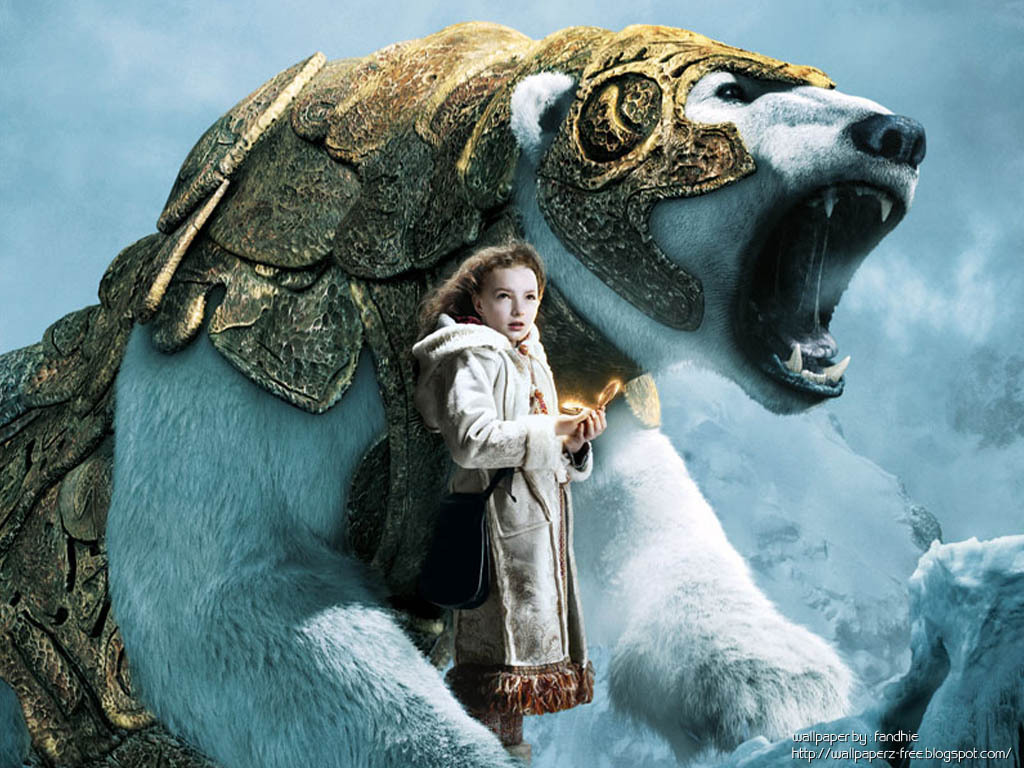
I am not sure how old I was when I first read the Golden Compass, but looking at the impacts it had on my early life, I must have been around six or seven. In retrospect this seems early, but I grew up following around a big sister four years my senior, and insisting that I read whatever she did, no matter the suggested age. We got it on audiobook, a favorite medium of our family (my mother had figured out when I was a baby that if she turned on an audio very low when she tucked us in, we would have to lie very still and quiet to be able to hear it, and we would quickly fall asleep). I still have that audio on my bookshelf, it is a full cast production, with narration by the author, and Phillip Pullman’s voice still makes me sleepy.
By now it is a familiar tale, but no less beloved or relevant as I age. As a child (and still today) I was drawn to its epic fantasy adventure with characters deeper and more relatable than Lord of the Rings, and its sci-fi/steampunk world more complex and well-built than Narnia (two of my other childhood favorites). But I think what I really loved— and still do— was how Phillip Pullman wove more real world themes into the narrative in a way that children could understand. The trilogy starts with the main character, Lyra Belacqua, as a child of around twelve, and yet the books do not shy away from tackling complex and controversial discussions of politics, science, organized religion, and their intersections. More importantly, amid its fantastical adventure, it does so in a way that younger readers can understand. That, I think, is the beauty of the Golden Compass. Even though it was written by an older man, I could relate strongly to the main character. Even when talking about difficult and controversial subjects, I understood— and more importantly, I felt like I was being talked to in a way that was respectful to me.
The Golden Compass is unique in children’s literature in that it gives its readers the information about what is happening, and the tools with which to decipher that information, without becoming a lecture. Through Lyra and her journey, the reader is invited to think critically, and to draw the parallels between her world and our own. It guides its readers along, while still making them feel that their own opinions are valid. As a child, that feeling of being heard, of being given the opportunity to have a discussion and not a lesson, of being encouraged to question authority and form one’s own views, is all too rare. I was lucky in that I was raised in a family that believed in explaining it decisions, even when my sister and I were very young, and I recognized that same way of thinking in Philip Pullman’s storytelling.
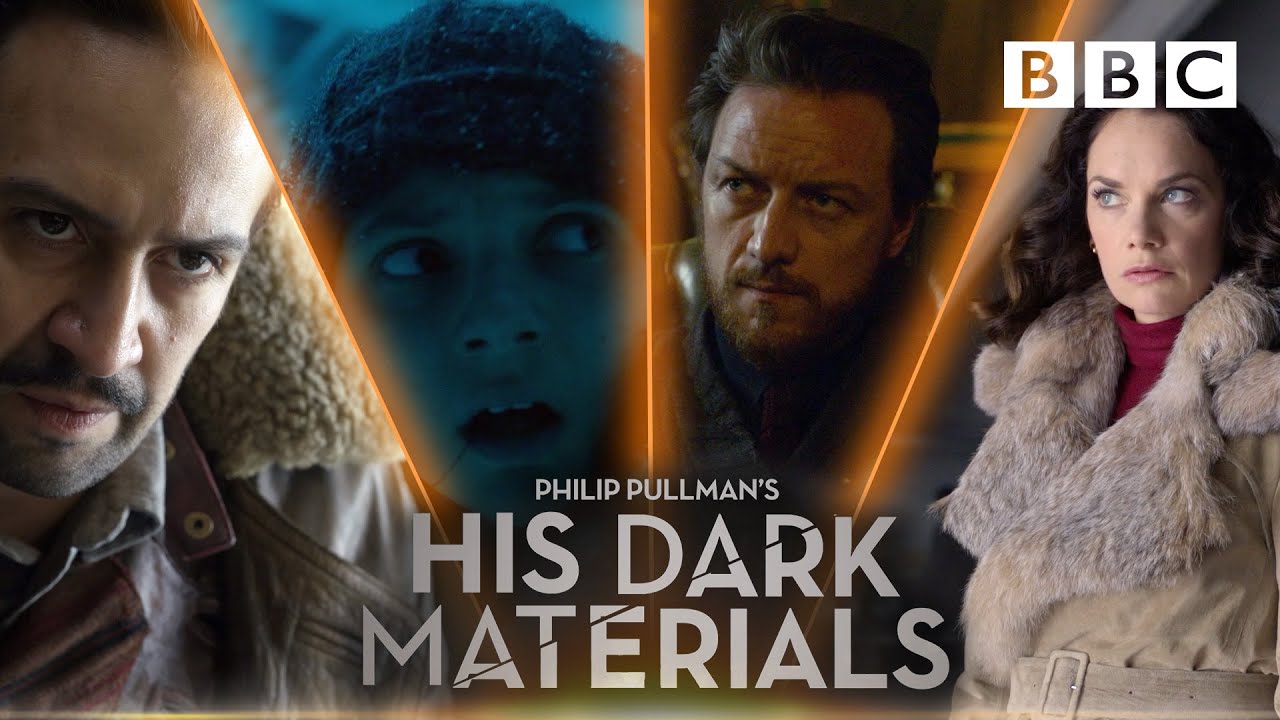
It is these same reasons that make His Dark Materials such a masterpiece, that make it so hard to make an adaptation. Even under the best of circumstances, adaptions are hard to make— there are elements of books that don’t translate well into onscreen storytelling. When a book is as beloved and as controversial as Pullman’s that difficulty is twofold. Going into the HBO/BBC series adaptation, I had high hopes. Streaming services like Hulu, Netflix and HBO have been instrumental in making adaptations of books with more progressive or controversial themes, since they don’t require as great a mass approval as in-theater movies do in order to be considered successful. His Dark Materials, of course, is by its very nature controversial, and I had hoped that HBO would tackle the issues that the books do with the nuance and narrative that Pullman originally wrote.
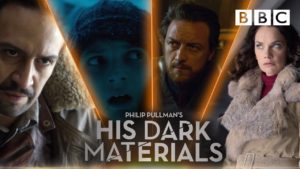
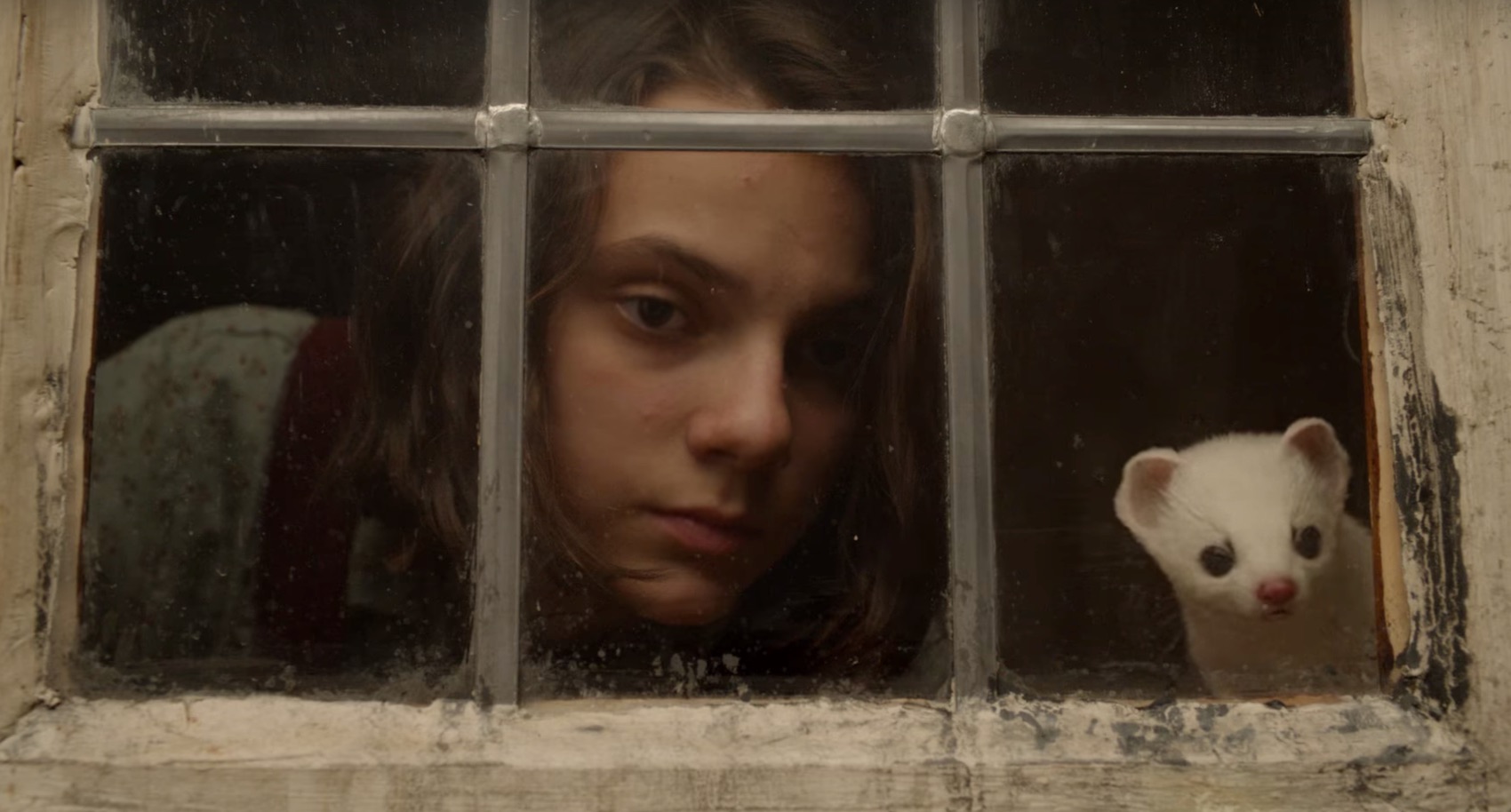
Sadly, when I watched the pilot episode, I was rather disappointed. There was so much potential, so much space for the story to become more fully developed than it did in the ill fated movie. But it was not to be. The first episode managed to be both the kind of storytelling that has you checking to see how much longer is left, and the kind that feels incredibly rushed. Unpopular opinion: I thought the movie, for all its issues, was much better. The first mistake the HBO show made was in stretching itself too thin, trying to cram in too many moments and references from the books without stopping to create an environment in which its watchers could really get to know the characters (especially since several fairly major changes were made to said characters). The result was that there was no emotional connection to the characters, or really much between the characters themselves. In the books, Lyra has a thriving community of other young miscreants that run around making alliances and having wars in the river mud, and she has a somewhat unorthadox sort of family in the scholars and staff of Jordan College. In the books Lyra has a home there, and people she cares for, which is one of the main reasons that she goes on the journey she does in the first place. Those relationships we see in the early chapters serve as an anchor for Lyra and her story, and with the trivialization or elimination of those relationships, I am afraid that the story as a whole will suffer as it goes forwards.
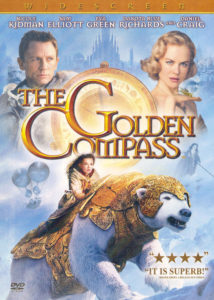
In addition, in the movie at least, even if it deviates from the book quite a bit more than the show does in its early stages, the characters felt intrinsically right. In both adaptations Lyra is shown as the sort of wild child that runs around getting into trouble and causing mischief, but the movie’s Lyra was far truer in spirit to her book counterpart. The movie’s Lyra (Dakota Blue Richards) captured the beloved character’s fierce independence, her curiosity and creativity, and her magnetic personality that makes her a leader of other children in Oxford, and later at Bolvangar. While there was nothing exactly wrong with the show’s Lyra (Dafne Keen) she is a bit off. Maybe it is because she is portrayed as a bit more clingy towards her uncle. Maybe it is because we don’t see her having the kind of adventures that we do in the books and the movie. Maybe it is simply because there is a bigger emotional disconnect in the show. Whatever the reason, HBO’s Lyra just doesn’t quite have that quality that makes you instantly root for her, and it unmoors the entire story.
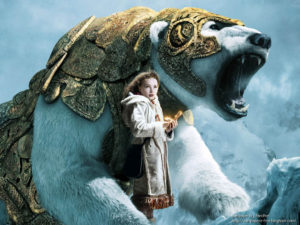
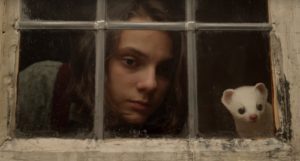
The other issues I had with it are perhaps more nitpicky, the CGI wasn’t great, the messages that are woven into the narrative of the book are, in the show, shoved in your face (a flaw the movie shares), but still, it could be worse. Critics who have access to further episodes say that it picks up around episode four, but when each episode is an hour long, that is quite a wait. It very well may be that His Dark Materials is just one of those fandoms that keeps getting its hopes raised and then crashed by a series of adaptations that just cannot compare to the original material. Regardless, if you haven’t read the books I urge you to do so, or if you’ve only read the original trilogy to take a look at the new books (they are still about Lyra, don’t worry) La Belle Savage, and The Secret Commonwealth.